
The skin care landscape in 2026 moves away from lengthy 10-step routines toward efficient, potent innovations like longevity serums that deliver multiple benefits in one product, incorporating special antioxidants, caffeine, ectoin, silanols, vitamin C, and hyaluronic acid.
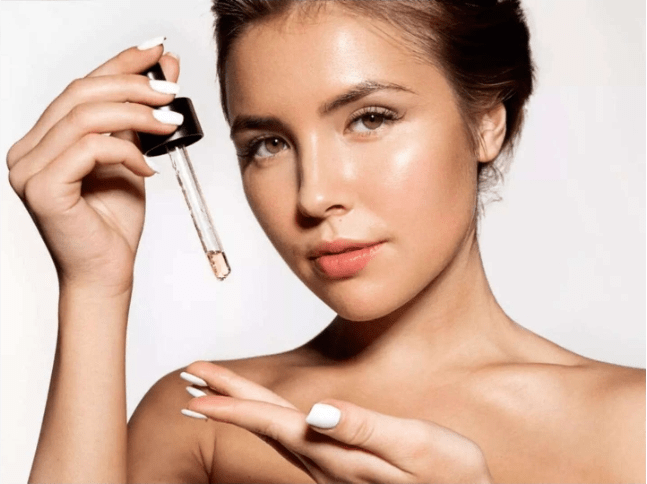
Longevity Serums with Ectoin
Ectoin is a natural protective molecule known as an extremolyte, produced by microorganisms in high-salt environments to endure extreme stress. It functions as a potent hydrator and anti-inflammatory agent, forming a water shell around cells to stabilize proteins, repair the barrier, and protect against UV, blue light, and pollution. Ectoin provides intense hydration, repairs the barrier, and helps skin retain moisture by creating a stable hydro complex with water molecules, strengthening the skin’s moisture barrier. Dubbed the “skin bodyguard,” it offers environmental protection, anti-aging, and anti-inflammatory effects, with versatility for all skin types, including sensitive and acne-prone; it’s non-comedogenic and reduces inflammation. Acting like an osmolyte or compatible solute, ectoin regulates water balance within cells without disrupting metabolic processes, surrounding cells, enzymes, and proteins to prevent damage from environmental dehydration and denaturation; it’s available in creams, serums, and sunscreens.
Silanols for Repair and Balance
Silanols serve as critical intermediates in producing silicone polymers and sol-gels, featuring hydrophilic properties ideal for skin repair and anti-aging. They are characterized by Si-OH linkages, which are more acidic than carbon-based alcohols. These ingredients hydrate, balance, and protect in one step, soothing skin after sun stress, pollution, or late nights while calming redness and sensitivity. Lightweight and layering-friendly, silanols fit busy lifestyles without clogging pores.
Next-Gen Sunscreens
Traditional chemical sunscreens pose absorption risks into the blood, while physical/mineral ones often feel sticky, greasy, and leave a white cast. New-generation sunscreens overcome these issues: non-sticky, zero white cast, and free of harmful chemicals.
Anti-Aging Molecules: Vitamin K2
Vitamin K2, or menaquinone, is a fat-soluble vitamin essential for regulating calcium metabolism. It promotes bone health by preventing arterial calcification, found in fermented foods, cheese, and animal products. K2 activates proteins that direct calcium into bones rather than blood vessels, supporting heart and bone health, preventing arterial calcium buildup, reducing heart disease risk, and aiding calcium deposition into bones.
Anti-Aging Molecules: Benfotiamine
Benfotiamine is a synthetic, fat-soluble derivative of vitamin B1 (thiamine), designed for superior absorption over water-soluble thiamine. Its high bioavailability allows penetration of cell membranes, treating peripheral neuropathy, retinopathy, and nephropathy. It’s effective for heart, brain, lung, joints, skin, and hair health.
Anti-Aging Molecules: Resveratrol
Resveratrol is a natural polyphenolic antioxidant from red grape skins, berries, peanuts, and red wine, protecting plants from stress. It offers anti-inflammatory and anti-aging benefits, cardiovascular protection via oxidative stress combat, and improved vascular performance; available as dietary supplements and positioned as better than collagen.
Retinaldehyde Over Retinol
Retinol, a popular anti-aging vitamin A retinoid, reduces aging signs, treats acne, and improves texture as a direct precursor to retinoic acid. Retinaldehyde acts up to 11 times faster, stimulating collagen, cell turnover for wrinkle reduction, regulating sebum, antibacterial action, and fading hyperpigmentation/sun damage. Retinol provides less satisfying results as a weaker, stable, accessible molecule; retinaldehyde (or encapsulated/grand active retinoids) delivers better, faster outcomes, even for sensitive skin.
Barrier Repairing Moisturizers
These powerhouse formulas repair the skin barrier, hydrate deeply, and soothe irritation using three key ingredients: fatty acids, oatmeal, and centella asiatica (Cica).
Fatty Acids
Fatty acids are essential lipids forming a large part of the skin barrier, keeping moisture in and irritants out. They strengthen the barrier by replenishing natural lipids, mimicking skin’s oils for repair; omega 3, 6, 9, and linoleic acid are crucial for structural integrity. Acting as mortar for skin cells, they offer deep hydration/suppleness as emollients, anti-inflammatory calming of redness/sensitivity, and aid cell renewal.
Oatmeal
Oatmeal is a recognized skin protectant offering intense smoothing and anti-itch effects via avenanthramides antioxidants, reducing itching, redness, and inflammation from eczema, dryness. It locks in moisture with an occlusive barrier, treats dry/flaky skin, supports the skin microbiome like a prebiotic, maintains ideal acidic pH, and enables gentle cleansing/exfoliation without stripping oils.
Centella Asiatica (Cica)
Cica, or tiger grass, is a nutrient-dense herb popular in K-beauty for rejuvenation. It accelerates wound healing/scar reduction via collagen stimulation and fibroblast proliferation for burns, acne scars, scratches; calms redness for sensitive/eczema/rosacea skin; provides antioxidant protection from UV/pollution free radicals; and enhances hydration as a humectant for plump, radiant skin.
Peptide, Exosome, and PDRN Serums/Creams
Ideal for anti-aging without retinol/retinaldehyde, these combine peptides, exosomes, and PDRN for superior, faster results. Peptides, short amino acid chains, build collagen, elastin, keratin; act as messengers signaling repair, firmness, elasticity to reduce wrinkles/improve texture—often called “Botox-like” for youthful, hydrated, resilient skin. Exosomes are microscopic cell-derived vesicles facilitating communication for repair; they deliver growth factors, peptides, genetic material to boost collagen, reduce inflammation, enhance hydration—often plant-derived or lab-cultured for texture/wrinkle improvement.
THD Vitamin C (Terrahexyldecyl Ascorbate)
This stable, oil-soluble vitamin C form brightens, stimulates collagen, and offers antioxidant protection. Lipid-soluble for superior penetration vs. traditional Vit C, it’s less irritating for sensitive/dry skin with high stability (no easy oxidation, long shelf life). It deeply penetrates lipid layers/stratum corneum, neutralizes free radicals, boosts collagen, reduces UV damage, inhibits melanin for hyperpigmentation/dark spot fading.
Thiamidol for Hyperpigmentation
Thiamidol (noted as Thimodal in PPT), a patented ingredient, effectively treats dark spots, melasma, post-acne marks by inhibiting tyrosinase enzyme to reduce melanin. Gentle and safe for long-term use, even on sensitive skin.
Stem Cell Serums
Stem cells aid skin regeneration, shielding from sun, heat, dryness, cold, and daily wear/tear. They boost deeper healing for age spots, scars, blemishes, and uneven patches.
Oral Antioxidants: S-Acetyl Glutathione (SAG)
SAG is a highly stable, bioavailable glutathione form for oral use, with an acetyl group bypassing stomach acid/plasma breakdown to cross cell membranes. It replenishes intra-cellular glutathione for antioxidant defense, cellular health, oxidative stress combat, and liver detoxification.
Liposomal Glutathione
Liposomal glutathione improves cellular performance, respiration, and oxidation while protecting the immune system and aiding cellular defense against infections/viruses.
Embracing 2026 Skin Care Trends
As 2026 unfolds, these innovations promise streamlined, science-driven skin care that prioritizes barrier strength, targeted anti-aging, and holistic protection from environmental stressors. By integrating longevity serums, advanced actives like ectoin and retinaldehyde, and supportive orals like SAG, routines become simpler yet more effective, fostering resilient, youthful skin for the long term. Stay ahead by incorporating these verified molecules into your regimen for optimal results.
References
- “The skin hydration and anti-ageing benefits of Ectoine” – PubMed study on hydration and anti-aging via cellular protection. pubmed.ncbi.nlm.nih
- Paula’s Choice Expert Advice on Ectoin – Dermatologist-backed overview referencing clinical data on barrier repair and protection.paulaschoice
- “Vitamin D3 And K2 Benefits for Skin Health” – Research-based discussion on elasticity preservation and collagen support.novoslabs
- “Effects of benfotiamine treatment over 12 months on morphometric, neurophysiological and clinical measures in type 2 diabetes patients with symptomatic polyneuropathy” – PMC article linking to skin nerve health.pmc.ncbi.nlm.nih
- “Resveratrol as a factor preventing skin aging and affecting its regeneration” – PMC review on anti-aging mechanisms like survivin inhibition and collagen boost.pmc.ncbi.nlm.nih
- Retinol vs. Retinaldehyde clinical comparisons – Peer-reviewed confirmations of retinaldehyde’s faster conversion, efficacy, and tolerance.flychem
- “Clinical applications of exosomes in cosmetic dermatology” – PMC on wrinkle reduction, hydration, and pigmentation improvement.pmc.ncbi.nlm.nih
- “PDRN prevents SIRT1 degradation by attenuating autophagy during cellular senescence” – PLOS One study on anti-aging and UVB protection.journals.plos
- “Evidence Highlights Thiamidol’s Efficacy and Safety in Hyperpigmentation Treatment” – Dermatology Times summary of clinical trials versus hydroquinone.dermatologytimes
- “Nanocosmetics and Nanomedicines: New Approaches for Skin Care” – Academia.edu review on advanced delivery systems relevant to silanols.academia
 Glory Aesthetics
Leave a comment