
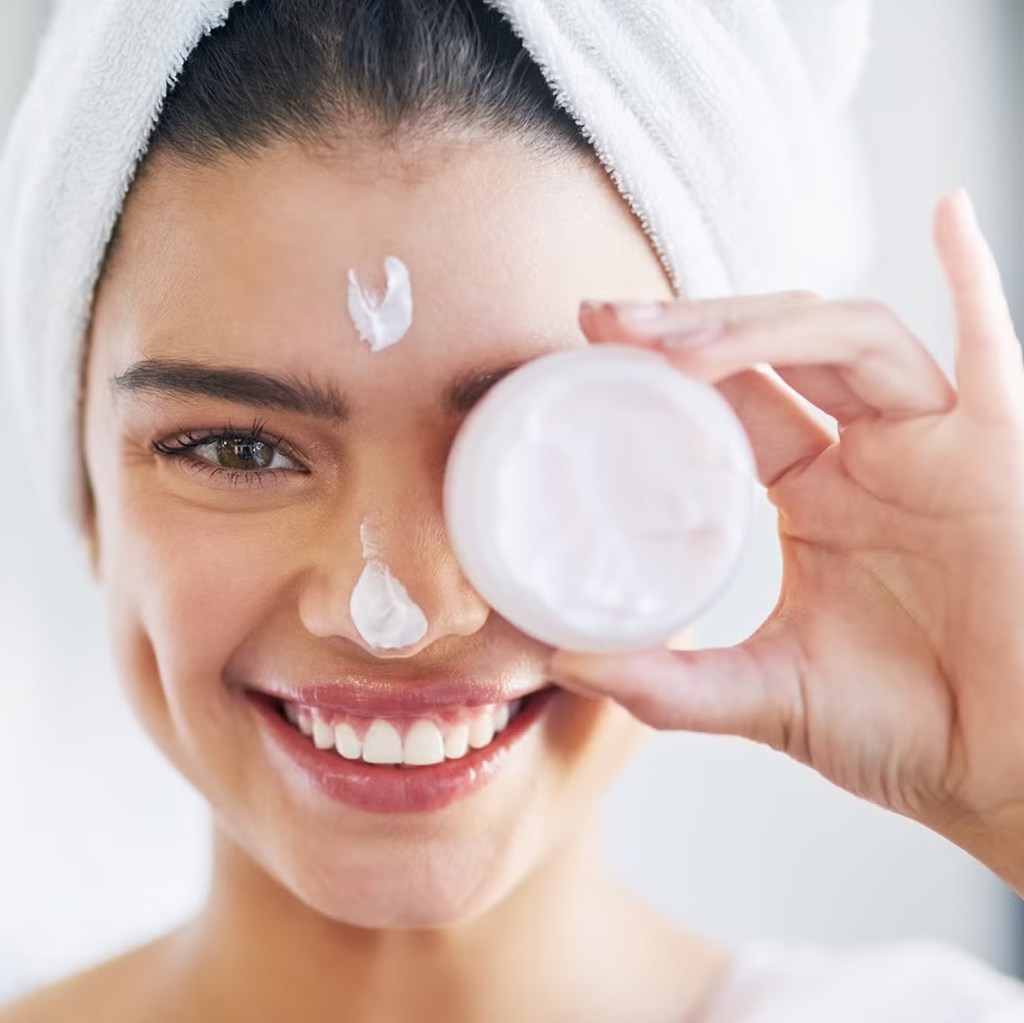
Moisturizers are skincare products that hydrate and softens the skin. It acts as a barrier against moisture loss. They help maintain skin health by replenishing water content and preventing dryness leading to softer, smoother and more youthful appearances.
Moisturizing everyday is must if you wish to achieve silky, smooth skin. It Is one thing to want healthy and glowing skin, but it Is another to put time and effort into nourishing and taking care of it. For those who are still in doubt about moisturizing, according to skin experts is vital. Some may argue that they don’t need to moisturize anymore since there skin is naturally oily and doing so will make it worse. However, this is a myth.
Did you know that skin can be shiny and look moisturized, but it is actually dehydrated underneath? Moisturizer is the most important part of a skin care routine.
Why do we need moisturizer?
Skin is a barrier that protects your internal organs from external environment. We have to make sure this barrier is intact and robust in order to function properly. Our skin has a lipid layer to make pliable, elastic, smooth and waterproof. Maintaining the skin barrier is very important to reduce dryness, flaking, itching and irritation to skin. Using a good moisturizer forms a foundation of any skin care routine.
Moisturizer plays an important role in every skin type.
DRY SKIN – Dry skin redoubtably needs a powerful moisturizer specifically one with thick formula and packed with active ingredients. Such components will replenish the skin natural barrier to prevent moisture loss. Moisturizing helps ease symptoms of rosacea, eczema or psoriasis.
COMBINATION SKIN– Combination skin needs extra care since different parts of your face have varied needs as such these areas may react differently to curtain products to play it safe opting for oil free, water based and non-comedogenic moisturizer is best option still moisturizing regularly is Important light weight moisturizer will be beneficial.
OILY ACNE PRONE SKIN– Oily skin needs moisturizer as well. While not as frequently and not the same type of formula that other skin type needs. A good moisturizer suited for this skin type can help reduce blemishes soothe inflammation and even encourage faster turnover. Moreover, hydrated skin is different from the skin with excess oil. Your skin can be greasy and shiny even if skin cells below are inflamed and dehydrated.
Benefits of moisturizer –
- Prevents dryness – the main job of moisturizer is to prevent from skin dryness. Environmental factors like the weather can dry your skin and lead to skin problems. Moisturizing daily can counteract these negative effects.
- Promotes youthful skin – a good daily moisturizer is the most vital protection against premature skin aging. Particularly those with dry skin types their skin surface is more prone to damage like flaking, cracks and peeling. Keeping your face moisturized boosts your skin’s ability to repair itself and produce collagen to give youthful skin.
- Reduces the appearance of blemishes – a freshly moisturized skin creates a healthy sheen which can minimize the appearance of any existing blemishes. Some moisturizers today contain self-tanner or tint that works with any skin tone. Enough to act as a light concealer.
- Fights wrinkles – want to achieve plum and smooth skin. Moisturizing causes skin to puff up and lessen the appearance of wrinkles making them less deep.
Conclusion
Incorporating a suitable moisturizer into your daily skincare routine is essential for maintaining healthy, hydrated skin, regardless of your skin type. Scientific research and expert consensus confirm that regular moisturization strengthens the skin barrier, prevents dryness, and helps reduce inflammation and visible signs of aging. For best results, select fragrance-free, non-comedogenic moisturizers adapted to your specific skin needs, and don’t hesitate to consult a dermatologist for personalized recommendations. By prioritizing proper hydration and barrier protection, you can contribute significantly to both the health and beauty of your skin.
References
- Harwood, A. (2024). “Moisturizers.” StatPearls, NCBI Bookshelf, National Institutes of Health. https://www.ncbi.nlm.nih.gov/books/NBK545171/
- Sethi, A., Kaur, T., Malhotra, S. K., & Gambhir, M. L. (2016). “Moisturizers: The Slippery Road.” Journal of Cutaneous and Aesthetic Surgery, 9(3), 159–167. https://www.ncbi.nlm.nih.gov/pmc/articles/PMC4885180/
- Mayo Clinic Staff. (2023). “Dry skin – Diagnosis and treatment.” Mayo Clinic. https://www.mayoclinic.org/diseases-conditions/dry-skin/diagnosis-treatment/drc-20353891
- Mayo Clinic Staff. (2023). “Mayo Clinic Minute: Moisturizer tips from a dermatologist.” Mayo Clinic. https://www.mayoclinic.org/diseases-conditions/dry-skin/multimedia/moisturizer-tips-from-a-dermatologist/vid-20434565c
- Cleveland Clinic Editors. (2023). “Choosing the Best Moisturizer for Dry Skin.” Cleveland Clinic. https://health.clevelandclinic.org/how-to-choose-the-best-moisturizer-for-your-dry-skin
- Nicol, N.H., et al. (2021). “Daily Moisturization for Atopic Dermatitis.” Dermatology Clinics, 39(2), 175-185. https://www.sciencedirect.com/science/article/pii/S1555415521002762
- Iwai, M., et al. (2024). “Moisturizer use in improvement of skin condition.” Clinical, Cosmetic and Investigational Dermatology, 17, 1-10. https://www.dovepress.com/correlations-between-serum-cytokine-levels-and-the-use-of-a-moisturize-peer-reviewed-fulltext-article-CCID
- Harvard Health Publishing. (2019). “Moisturizers: Do they work?” Harvard Medical School. https://www.health.harvard.edu/staying-healthy/moisturizers-do-they-workharvard
 Glory Aesthetics
Leave a comment