
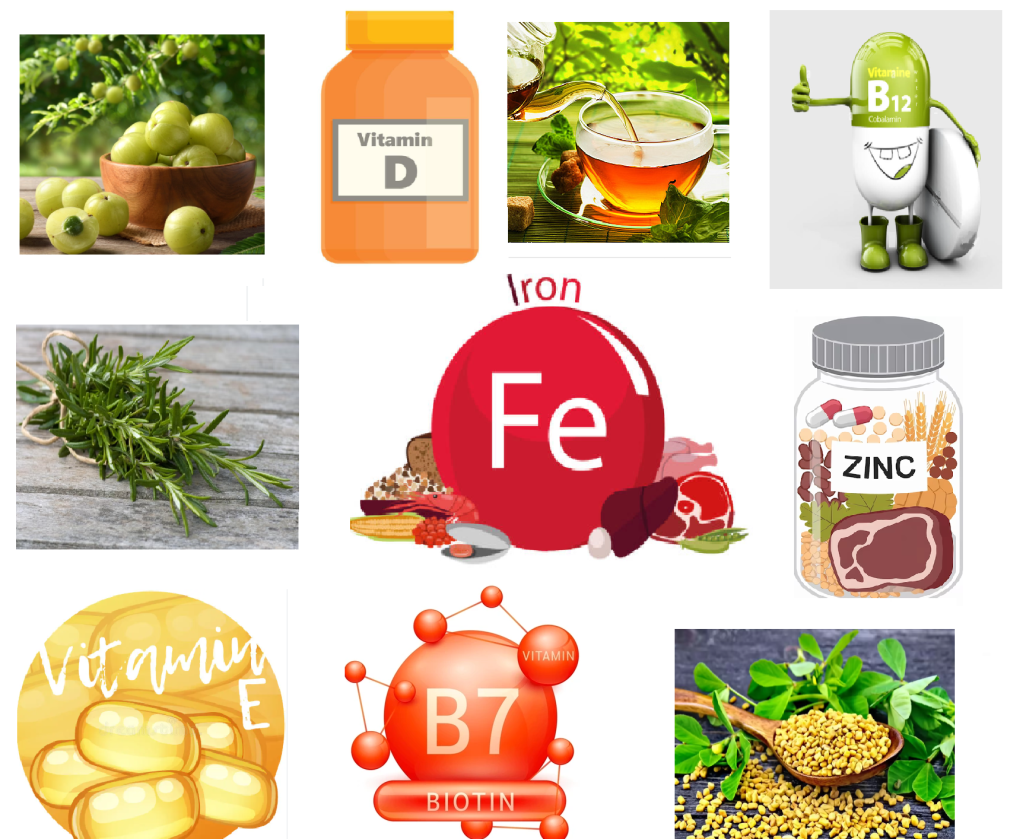
Amla / Indian gooseberry – Amla possesses natural DHT blocking properties and is rich in vitamins, making it ideal for hair health. It boosts collagen, promotes growth, and strengthens the hair shaft, reducing breakage and split ends. Studies suggest it may prevent premature graying and improve scalp circulation, delivering essential nutrients for optimal growth. Additionally, amla helps prevent dandruff and inflammation, balances oil production, and enhances overall scalp health, promoting resilient hair and long-term vitality.
Rosemary – has anti-inflammatory properties that reduce scalp irritation and promote a healthier environment for hair growth. In addition to containing carnosic acid, which helps heal tissue and nerve damage, rosemary oil is rich in antioxidants that protect hair follicles from oxidative stress. This unique blend of nutrients not only nurtures the scalp but can also significantly increase hair density by stimulating blood circulation in the hair roots. Furthermore, it works to naturally block DHT, a hormone linked to hair thinning, thereby preventing hair damage and loss while improving overall scalp health. Regular use of rosemary can lead to stronger, thicker hair that looks vibrant and full of life.
Green tea – green tea is high in polyphenols, which help reduce an enzyme called 5 alpha reductase that causes hair loss in both men and women. By blocking this enzyme, green tea promotes healthier hair growth and strengthens hair follicles. It improves blood circulation to the scalp, providing hair roots with essential nutrients and controlling oil production to prevent scalp problems. Green tea also has soothing properties that can reduce scalp irritation and itching. Adding green tea to your hair care routine can lead to healthier, shinier, and more manageable hair. Aim for 2-3 cups a day for the best results and avoid boiling it to keep its beneficial compounds.
Fenugreek – has natural antioxidants that help with keratin formation and fight oxidative stress, which is important for healthy hair. It includes protein, iron, and vitamins that encourage hair growth and strengthen follicles. The nutrients in fenugreek nourish the scalp and ensure hair gets enough moisture. Its natural oils can seal the hair cuticle, making hair smooth and shiny while reducing frizz. This herb also helps with premature graying, making it a good choice for keeping hair youthful. Adding fenugreek to your hair care routine can promote healthier, vibrant hair that is less to get damaged.
VITAMINS & MINERALS
BIOTIN – Biotin, also known as B7 or vitamin H, is water-soluble. Biotin can promote hair growth. Biotin is a key component in keratin production. Keratin is the protein that gives hair its strength, structure, and flexibility. Increased keratin production can stimulate hair follicles, which leads to improved hair growth. It reduces split ends and breakage. Biotin in hair products can help regulate sebum and dandruff. It prevents premature Grey hair and baldness. It helps to preserve the moisture level of the scalp.
Sources – eggs, nuts, avocados, sweet potatoes, organ meat, fish, meat, leafy greens, mushrooms, bananas, oats.
VITAMIN D – is a fat-soluble vitamin that is very important for many body functions, including keeping hair healthy. Vitamin D helps create hair follicles, which are tiny parts of the skin that grow hair. When we don’t get enough Vitamin D, it can cause problems with hair health, like hair loss and dry, brittle hair. Studies have shown that Vitamin D supports hair follicles and encourages new hair growth. Not having enough of this vitamin can interrupt the natural hair growth cycle, causing thinning and shedding. So, it’s important to keep Vitamin D levels up for healthy hair growth and to avoid issues.
Sources – fatty fish, fish liver oil, egg yolk, sunlight. The best ways to get enough Vitamin D are through your diet and getting sunlight.
VITAMIN E – is also a fat-soluble vitamin. It increases blood circulation in the scalp, which helps with hair growth. Vitamin E has natural antioxidant properties. It reduces cell damage in the hair and scalp and helps reduce oxidative stress. It improves hair elasticity and shine. Vitamin E can also nullify the free radicals produced by UV radiation and pollution.
Sources – nuts and seeds: sunflower seeds, almonds, hazelnuts. Fruits and vegetables – avocados, spinach, broccoli. Vegetable oils – wheat germ oil, olive oil.
VITAMIN B12– also known as cobalamin. It is a water-soluble vitamin involved in metabolism. It is one of the 8 B vitamins, and it is essential for hair growth because it helps in production. Vitamin B12 helps your body metabolize amino acids, which are the building blocks of hair. It also helps produce red blood cells, which carry oxygen to hair follicles; this helps hair grow faster and stay healthy. It prevents hair loss and increases hair volume and thickness.
Sources – eggs, milk, cheese, salmon, tuna, beef, yogurt, sweet potatoes, onions, garlic. Fortified cereals, fortified nutritional yeast.
ZINC – zinc is an essential mineral. Zinc plays a crucial role in hair regrowth. It helps to maintain the structure of hair follicles. Zinc may inhibit the enzyme that converts testosterone to DHT, which could make it a potential DHT blocker. Zinc is involved in processes that affect the health and function of hair follicles, keratinocytes, skin, and melanocytes. Zinc plays a crucial role in DNA and RNA production.
Sources – meat, seafood, oysters, legumes and pulses, nuts, vegetables, whole grains, dairy products.
IRON – iron is a vital mineral that plays a crucial role in promoting hair growth and overall health. It is essential for the production of hemoglobin, a protein found in red blood cells responsible for transporting oxygen to hair follicles. Without enough iron levels, the body can struggle to deliver the necessary nutrients to these follicles, which can lead to hair thinning or loss. Ensuring an adequate intake of iron-rich foods, like lean meats, legumes, and leafy greens, can significantly help both your hair and overall well-being, making it an important aspect of a balanced diet.
Sources – red meat, seafood, liver, chicken, eggs, salmon, clams, beans, nuts, dried fruits, vegetables, whole grains, pumpkin seeds, and quinoa.
COMBINATION OF NATURAL AND SCIENTIFIC PRODUCTS
REDENCYL – it includes 2 molecules 1) Dihydroquercetin-glucoside (DHQG) & 2) Epigallocatechin Gallate glucoside (EGCG2). It also contains a few plant-based compounds like Glycine and Zinc. This is a direct alternative to minoxidil. It is a plant-based ingredient that helps to promote hair growth in a natural way.
ANAGAIN – it is a patented ingredient derived from organic pea sprouts. It is a natural plant-based ingredient. Pea sprouts extract balances hair loss by reactivating hair growth. It works by stimulating dermal papilla cells, which are essential for new hair growth and extending the anagen growth phase of the hair cycle.
PROCAPIL – plant-based botanical formula. Improves blood circulation to the scalp. Reduces the effects of DHT blockers. Best for hair growth and hair loss treatment; it works by stimulating hair follicle health and reducing hair fall.
BRAHMI– Brami is also known as Bacopa monnieri. It has been used in Ayurvedic medicine for centuries. It promotes healthy hair growth and reduces hair fall. It strengthens hair roots, improves scalp health, and adds shine and luster. Brahmi also helps to prevent split ends and conditions hair, making it smoother and more manageable.
BRINGRAJ – traditionally used in Ayurveda to promote hair growth, prevent hair fall, and slow down premature graying. Helps to nourish the scalp, strengthen hair follicles, and treat dandruff and scalp infections.
TULSI – Tulsi is an aromatic perennial plant in the family of lamiaceae. It strengthens hair follicles reducing hair fall and promoting scalp health.it can also help with dandruff control and improves overall hair strength and shine.it improves blood circulation. Tulsi has its natural antioxidant properties.
ONION – it is a vegetable and a type of bulb in the lily family. Known for its strong flavor and smell, it is widely used in cooking. Onions are rich in sulfur, which is important for hair growth as it helps with collagen production and binds to cysteine, a key component of keratin. Onions also contain antioxidants and anti-inflammatory compounds that can protect the hair and scalp from damage. Onion juice can nourish hair follicles, when applied directly.
References
- The effect of an oral product containing Amla fruit (Phyllanthus emblica L.) on female androgenetic alopecia: A randomized controlled trial – PubMed
- Recent Trends in Potential Traditional Indian Herbs Emblica officinalis and Its Medicinal Importance
- Rosemary oil vs minoxidil 2% for the treatment of androgenetic alopecia: a randomized comparative trial
- An Overview of Commonly Used Natural Alternatives for the Treatment of Androgenetic Alopecia, with Special Emphasis on Rosemary Oil
- Human hair growth enhancement in vitro by green tea epigallocatechin-3-gallate (EGCG)
- Fenugreek Seed for hair growth.
- Efficacy of 5% topical minoxidil versus 5 mg oral biotin versus topical minoxidil and oral biotin on hair growth in men: randomized, crossover, clinical trial
- Biotin for Hair Loss: Teasing Out the Evidence
- The Role of Vitamins and Minerals in Hair Loss: A Review
- Role of vitamin D in hair loss: A short review
- Treatment with oral vitamin D alone, topical minoxidil, or combination of both in patients with female pattern hair loss: A comparative clinical and dermoscopic study
- Effects of Tocotrienol Supplementation on Hair Growth in Human Volunteers
- On the Potential Role of the Antioxidant Couple Vitamin E/Selenium Taken by the Oral Route in Skin and Hair Health
- A Randomized, Placebo-controlled Clinical Study Evaluating a Dietary Supplement for Hair Growth
- Analysis of Serum Zinc and Copper Concentrations in Hair Loss
- Zinc Status in Kurdish Adults With Hair Loss
- Medicinal plants used in cosmetics for skin and hair care
 Glory Aesthetics
Leave a comment